Source Euro 5 Electric Mini Bus for Hotels, Airports, and Schools
Compare 30 euro 5 electric mini bus options from China. Evaluate models like S14 and XML6532JEVLD for scenic spots, hotels, and airports. Check specs including 48V systems, lithium batteries, and seating capacities to find the right vehicle; compare the available evidence and request quotations based on your requirements.
Key considerations
Products List


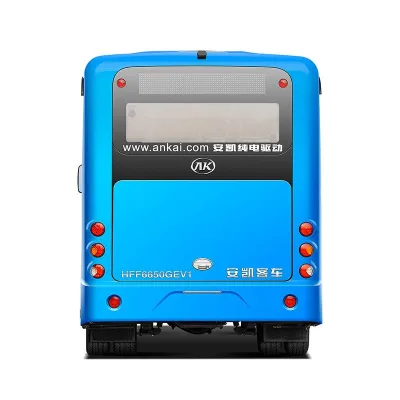
Euro 5 Mini Bus High Quality Ankai 15 Seats City Bus with Competitive Price
$28000.00 - $28500.00
Moq: 1


Comprehensive Sourcing Guide
Euro 5 Electric Mini Bus Sourcing Guide
Procuring an electric mini bus requires distinguishing between low-speed sightseeing vehicles and road-legal transport units that meet specific emission and safety standards. The market offers diverse configurations, ranging from open-air scenic spot cars to enclosed logistics vehicles, each serving distinct operational needs. Buyers must first clarify whether their primary requirement is for a low-speed utility vehicle or a certified medium bus capable of highway speeds, as this distinction dictates the necessary regulatory compliance and technical specifications.
The observed product landscape includes models with varying seating capacities, from standard configurations to units accommodating up to 17 passengers. While some listings highlight features like air conditioning and specific battery ranges, others focus on basic utility with manual handling. It is critical to verify if the vehicle is intended for closed communities or public roads, as the latter demands rigorous adherence to Euro 5 or equivalent emission standards, which significantly influences the available technology and certification requirements for the final purchase.
Product Scope and Observed Listing Signals
Buyers should scrutinize the listed product types to ensure alignment with their intended application, as the market includes both sightseeing cars and electric medium buses. The available data indicates a range of applications including hotels, schools, airports, and scenic spots, alongside logistics and closed-body transport. Understanding the specific body type, such as closed or open configurations, is essential for determining suitability for passenger comfort and security in different environments.
Listing signals often reveal the power source and battery technology, with options ranging from lead-acid to lithium iron phosphate storage batteries. Some units feature high-capacity batteries supporting ranges up to 350 kilometers, while others are designed for lower speeds with simpler electrical systems. Procurement teams must verify if the listed voltage and motor power match the operational demands of their specific route, ensuring the vehicle can handle the required load and distance without compromising performance or safety.
Technical Specifications to Verify
Technical due diligence must focus on the battery capacity and driving range to ensure the vehicle meets daily operational requirements. Buyers should confirm the specific kilowatt-hour capacity, noting that observed units range from approximately 50 kWh to over 85 kWh, which directly impacts the vehicle's autonomy. It is vital to validate the manufacturer's stated range against real-world conditions, as factors like terrain, passenger load, and climate control usage can significantly reduce the effective distance between charges.
The physical dimensions and weight distribution are equally critical for infrastructure compatibility and safety. Specifications such as wheelbase, track width, and total mass must be checked against the intended operating environment, including gate widths and bridge load limits. Additionally, verifying the tire details and wheel material ensures the vehicle is equipped for the specific surface conditions it will encounter, preventing premature wear or handling issues that could arise from mismatched specifications.
Compliance and Safety Documentation
Regulatory compliance is a non-negotiable aspect of sourcing electric mini buses, particularly for vehicles intended for public road use. Buyers must request valid certification documents, such as CE, EEC, or CCC marks, to confirm that the vehicle meets the safety and emission standards of the target market. The absence of these certifications can lead to legal liabilities and operational bans, making it essential to verify the authenticity and scope of each certificate before finalizing any purchase agreement.
Safety features must be explicitly confirmed in the product documentation, including the presence of seatbelts, air conditioning, and specific controller ratings. While some models are designed for low-speed environments, others require advanced safety systems to operate at higher speeds, such as 100 km/h. Procurement teams should ensure that the vehicle includes all mandatory safety equipment, such as installed seatbelts and appropriate braking systems, to protect passengers and comply with local traffic regulations.
Cost Drivers and Commercial Terms
The total cost of ownership is heavily influenced by the battery technology and the level of customization required. Units equipped with lithium iron phosphate batteries and advanced features like air conditioning typically command higher prices than those with lead-acid batteries and basic configurations. Buyers should analyze the trade-off between initial capital expenditure and long-term maintenance costs, as higher-quality batteries often offer longer lifespans and better performance in varying weather conditions.
Commercial terms regarding packaging and shipping logistics also play a significant role in the final procurement cost. Some suppliers offer full installed units, while others ship vehicles in a nude packing configuration, which may require additional assembly or handling fees at the destination. It is crucial to clarify the Incoterms and shipping method, such as container shipping or sea freight, to avoid unexpected expenses related to customs clearance, local transport, and final installation at the facility.
Supplier Qualification and Quality Control
Supplier qualification should extend beyond basic product listings to include a thorough assessment of their manufacturing capabilities and quality control processes. Buyers must verify the supplier's origin, noting that many manufacturers are based in China, and assess their ability to provide consistent quality across different production batches. Requesting references or case studies from previous clients can provide insight into the supplier's reliability and their track record in delivering vehicles that meet specified technical requirements.
Quality control measures should be integrated into the procurement process to ensure the vehicle meets all agreed-upon standards before shipment. This includes verifying the assembly of critical components like the controller, battery, and motor, as well as conducting pre-shipment inspections to confirm that the vehicle functions correctly. Establishing clear quality benchmarks and inspection protocols helps mitigate the risk of receiving defective units and ensures that the final product aligns with the buyer's operational expectations.
Long-Term Procurement Checks
Long-term procurement success depends on establishing a robust after-sales support framework that includes maintenance, spare parts availability, and technical assistance. Buyers should negotiate service agreements that cover battery replacement, motor repairs, and software updates to ensure the vehicle remains operational throughout its lifecycle. A reliable support network is essential for minimizing downtime and managing the total cost of ownership over the years of service.
Continuous monitoring of the vehicle's performance and battery health is necessary to optimize operational efficiency and extend the asset's useful life. Procurement teams should implement regular maintenance schedules and data tracking systems to identify potential issues before they become critical failures. By maintaining a proactive approach to asset management, buyers can ensure that their electric mini bus fleet remains safe, efficient, and compliant with evolving regulatory standards.
FAQs
What certifications are available for these electric buses?
Certifications include CE, CCC, and EEC standards depending on the specific model and target market. Buyers should verify the exact certification required for their region before ordering. The product page lists these options to ensure compliance with local regulations for electric vehicles used in scenic spots or hotels.
Can the bus body color be customized?
Yes, customization is available for the bus body color. Options include white, red, blue, green, yellow, black, rose red, and violet. Buyers can also request customized colors to match their brand identity. This flexibility supports OEM services for hotels, schools, and airports seeking specific visual aesthetics.
What is the battery range for the larger models?
The larger electric medium bus models offer driving ranges of 260km to 360km. Specific models like the XML6532JEVLD provide a 260km range, while the XML6593JEVLD achieves up to 350km. These ranges depend on the battery capacity, which varies from 50.23kWh to 85.89kWh for different configurations.
How many seats are in the standard configuration?
The standard seating capacity is typically 17 seats for the larger electric medium bus models. Some smaller sightseeing cars may have different capacities. The standard style is designed for efficient transport in scenic spots, hotels, and airports. Buyers should confirm the exact seating layout based on the specific model number selected.
What is the origin of these electric vehicles?
These electric vehicles originate from China (Mainland). The manufacturing base is located in China, ensuring access to established supply chains for components like batteries and controllers. Buyers should consider shipping methods, such as container or nude packing, when planning logistics from the Chinese origin to their destination.
Are air conditioners installed in these buses?
Yes, air conditioners are installed in these electric buses. This feature ensures passenger comfort in various climates, which is essential for scenic spots and hotels. The inclusion of climate control is standard for many models, enhancing the overall travel experience for passengers in enclosed or semi-enclosed vehicle bodies.